104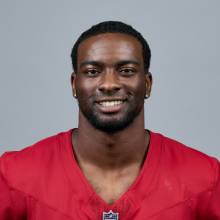 Garrett Williams60Grade
Coming off a season where Garrett Williams cemented himself as a cog in the Cardinals' defense at the nickel, injuries derailed his season. Williams tore his ACL during his final year at Syracuse, and then, in 2025, he went on IR after a Week 2 knee injury, only to return and start seven games before tearing his Achilles. His movement skills took a hit, and he was more effective in zone where he could read and react. It's clear that the injuries hampered his progress last season after what was an extremely promising sophomore season, and now he could be looking at a contract year that he isn't fully ready to handle.
103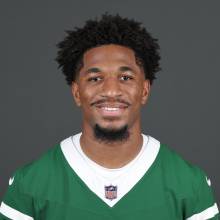 Azareye'h Thomas60Grade
A natural press-man style corner, Azareye'h Thomas showcased that when he got his opportunity in 2025. He left his Week 10 start with a concussion and started five games of his rookie campaign before suffering a season-ending shoulder injury in Week 14. He had a streak of at least one pass breakup in six straight games before the injury, but unless he was able to be physical at the line of scrimmage, receivers were able to shake loose from him and pull away downfield. He showed some flashes, but there's an uphill climb on the way for the soon-to-be second-year player.
102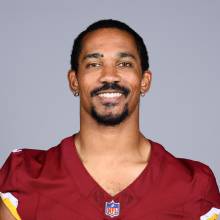 Ahkello Witherspoon60Grade
An unfortunate season for Ahkello Witherspoon saw him go to the IR twice with a scapula injury, which he re-aggravated in the Wild Card round. The football IQ shows itself in zone coverage, and he communicates well with his teammates and passes off underneath routes. However, when receivers stacked vertically, Witherspoon couldn't recover and lacked the foot speed to mirror at a high level. A player who is prone to missed tackles, his angles to the football are a big reason for that. Coming off the injury, he'll reunite with Adam Peters in Washington and see if he can contribute to Dan Quinn's defense this season.
101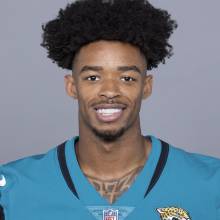 Greg Newsome II60Grade
Even before the trade to Jacksonville, Greg Newsome was struggling more in his fifth year as a pro than in any year prior. He was targeted more and gave up more receiving yards, catches, and touchdowns than in previous years. He was uncomfortable in space, a poor run supporter, and had trouble maintaining proper eye discipline while in off coverage. He's at his best playing a physical brand of press coverage in a phone booth where he can dictate the terms. Maybe another change of scenery will see him bounce back.
100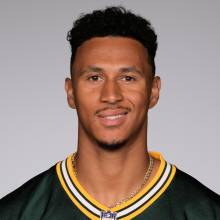 Benjamin St-Juste60Grade
The Chargers' defensive staff helped Benjamin St-Juste play more controlled football during his limited time in LA. He's a tall and long physical boundary corner who profiles better in zone, where he can read and react. His length, when utilized properly, helps him control receivers at the line of scrimmage, but he's inconsistent in landing jabs and will get stacked vertically quickly. He was a good tackler last season and an active run defender, but using him as a rotational piece will benefit him more in the long run. St-Juste will look to help out the Packers' secondary if he can remain under control.
99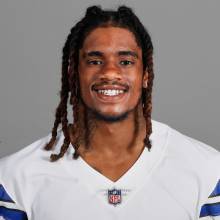 Shavon Revel Jr.61Grade
Starting and ending your rookie season with injuries makes it tough to grow as a player on the field, but Shavon Revel showed enough to grow on during year one. He played in seven games, starting five, and while the movement looked inconsistent, particularly in his backpedal, he was getting more comfortable before his injury against the Commanders. He's a willing tackler who wants to play a physical brand of football at the line of scrimmage and through the route. He'll need to clean up the technique as he matures; with five penalties in seven games, that's just not going to fly. With a change in the defense coming in Dallas, Revel will be one to watch.
98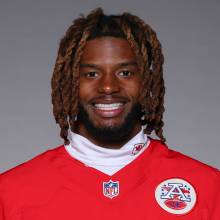 Kristian Fulton61Grade
Fulton battled injuries once again, this time in Kansas City, which impacted his consistency on the field. He's a physical presence on the perimeter and a willing run defender, but he looked uncomfortable reading routes, wasted movement in transitions, and his footwork was inconsistent. While he showed better coverage tenacity and catch point impact near the end of the season, Fulton is a better depth piece for the Chiefs than someone they want to lean on. The talent has always been there for Fulton, but the injuries have taken their toll.
97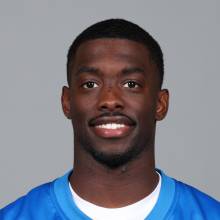 Terrion Arnold62Grade
It hasn't been smooth sailing for former 1st-round pick Terrion Arnold while in Detroit. He looks uncomfortable on the field and relies on grabbing receivers in man coverage to maintain connection, which leads to penalties. In limited playing time last season, he still racked up six called penalties. He doesn't trust his technique or footwork to keep him in position and struggles to mirror receivers. Arnold managed to break up eight passes in eight games, but was a player quarterbacks felt comfortable attacking. After dealing with multiple concussions and a torn shoulder labrum last season, he'll begin 2026 with a clean slate and a lot at stake.
96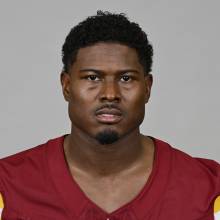 Jonathan Jones63Grade
Playing his first season away from New England, Jonathan Jones suffered a myriad of injuries and a stint on IR during an uneven season. He's a smart corner who communicates well on the boundary while trying to stay on top of routes. When he's stacked, he doesn't have the recovery speed to track down receivers as they run away from him. The former Patriot is a consistent tackler and physical player at the top of the route in off-coverage, where he's at his best. Jones has inside-out versatility and will see if he can contribute to the Eagles in 2026.
95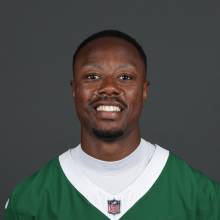 Brandon Stephens63Grade
What a wild first season in Aaron Glenn's defense for Brandon Stephens. He started off as a full-blown liability, allowing 12 catches for 143 yards and two touchdowns on 15 targets, via NFLPro, and then found his stride for a great stretch across the middle of the season. He struggles to locate the football in the air as a result of nearly always playing the receiver, but he did put up nine passes defensed and showcased his man coverage tools during his hot streak. Stephens has always been a good tackler and run defender, but he struggled again to close out the season for the Jets. He is a good fit for what Glenn is looking for on the boundary, but he needs a consistent season to stick in New York.
94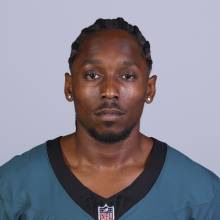 Adoree' Jackson64Grade
It's true, Adoree' Jackson got picked on by opposing offenses last season, and some of the best receivers in the NFL took him to school. However, it wasn't just bad stacked on bad. Jackson looked better near the end of the season, and his technique (backpedal, hand usage, reading receivers, etc.) remained good, allowing him to stay grounded and find his footing. Athletically, he looked a step behind and couldn't always recover in time to impact the catch point. Jackson still plays with the effort of a defender who enjoys playing the game, and his mind will be a good addition to an NFL corner room.
93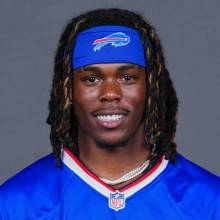 Maxwell Hairston64Grade
Missing the first seven weeks of his rookie season due to an LCL sprain, Maxwell Hairston had some ground to make up in getting back on the field. He's a natural zone-centric corner who looks comfortable matching routes with his eyes and has great closing speed. The former first-round selection had some trouble with man coverage against NFL receivers, particularly because his footwork was a touch too slow and he relied on reactionary athleticism. A willing run defender, but his play strength to take on blocks and finish through ball carriers is still developing. There were several flashy plays in his limited field time, and with the competition in the corner room for the Bills, it should get the best out of Hairston.
92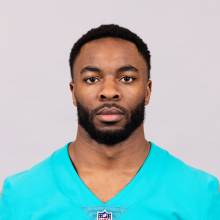 Darrell Baker Jr.64Grade
After sustaining an early-season injury and having been a backup previously, Baker was thrust into a starting role in Week 9 and played well down the stretch for the Titans. He recorded seven pass breakups across the final nine games of the season and played well as a man defender in the short to intermediate parts of the field. He flashed route recognition in off coverage, but struggled to impact receivers down the field and gave up big plays. He's not much of a factor as a run defender, but the man coverage play he showed could see him find a useful role in Miami's defense.
91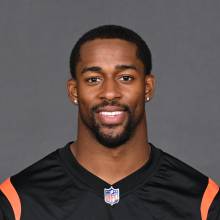 Dax Hill64Grade
The recovery speed and electricity Dax Hill plays with are hard to replicate, but between position switches and an injury-shortened season in 2024, it's been tough for him to find his footing. He allowed only one completion of 20 or more yards downfield last season on seven targets, but underneath, with route feel and spacing, is where he needs to improve. Playing the majority of his snaps on the boundary last season, Hill flashed some man coverage acumen, natural athleticism, and violent transitions to the flat against screens that should give him some confidence to build on going forward.
90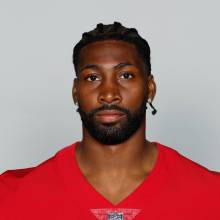 Nate Hobbs64Grade
After being forced into playing boundary corner more than anticipated for the Packers, Nate Hobbs played more nickel down the stretch and found his groove. He's a very aggressive player in all phases, and it shows up against the run, sifting through traffic and working to shed blocks. His man-coverage tools rely on contact and quick reaction time to stick with receivers. Hobbs isn't as comfortable in zone coverage, but he will come downhill to make a hit. The Packers released him after signing a large deal last offseason and will be looking to right the ship with the 49ers.