65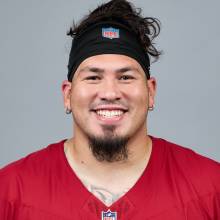 Roy Lopez65Grade
Lopez is definitely a two-down defender who can occasionally push the pocket as a pass-rusher, but makes his money against the run. He's solid at staying in his gap against all types of blocks, and has flashed the ability to absorb contact, recover and make tackles against combo blocks.
64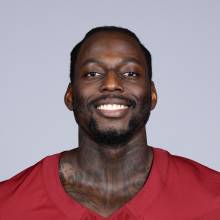 Javon Kinlaw65Grade
Kinlaw has bounced back from a bad start to his career with the San Francisco 49ers, posting career-highs in tackles and tackles for loss for two different teams in back-to-back years since leaving the 49ers. The former Jet and current Commander primarily takes advantage of lower competition and mistakes from offensive linemen, though. There is no doubt that Kinlaw has gotten better over the last couple of years, but there is a good amount of fluff to his statistical jump.
63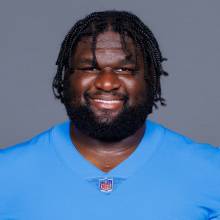 Dalvin Tomlinson65Grade
At his best, Tomlinson is a gap-filling nose tackle who can be an asset as a run defender. However, he is coming off a down year where he wasn't nearly as stout as he's been in the past. It will be interesting to see if that was just an off-season or a sign that the 32-year-old's career is quickly coming to an end.
62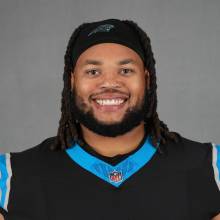 Tim Settle Jr.65Grade
Settle has always shown potential in both phases of the game, but he has struggled with consistency. The eight-year pro has posted two strong campaigns statistically—2020 in Washington with five sacks and seven QB hits, and 2024 in Buffalo with 31 tackles, five sacks and 10 tackles for loss—but has been more unproductive than productive. If Settle can balance it out with the Commanders, he can become a quality three-down interior defensive lineman. But the 29-year-old's technique has to improve for that to happen.
61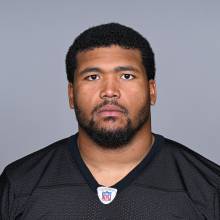 Derrick Harmon65Grade
Knee injuries were the story of Harmon's rookie season. While he never needed surgery, a pair of incidents kept him from being 100 percent and limited him to just 12 games (eight starts) in year one. That makes it difficult to accurately gauge how the 2025 first-round pick has fared in the NFL and predict what type of player he'll be moving forward. But the Oregon product did show signs of being a serviceable starter in both phases of the game.
60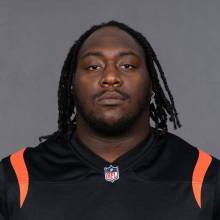 TJ Slaton66Grade
Slaton is a two-down run defender, meaning he doesn't offer much as a pass-rusher. The bigger problem with his game, though, is that he isn't someone who can be trusted to defeat all types of blocks. The five-year pro has issues running his feet and moving laterally to avoid getting reached, creating issues against outside runs. However, Slaton is impressive at the point of attack to consistently beat base blocks.
59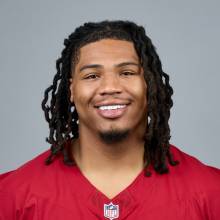 Walter Nolen III66Grade
It's hard to give Nolen a grade heading into the 2026 season because his rookie year was filled with injuries and limited to just six games. So, the Ole Miss product is still very much an unknown in the NFL. But he did show a handful of flashes to provide some optimism for his outlook moving forward, especially as a pass-rusher.
58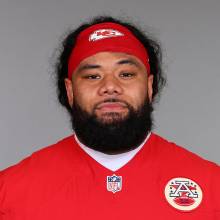 Khyiris Tonga66Grade
Tonga is a nose tackle who has decent athleticism for the position. That helps him have a quick get-off and be solid at avoiding getting reached, on top of the strength at the point of attack to generate knockback power. However, the five-year veteran is susceptible to getting bumped out of his gap by combo block and has always been more potential than production as a pass-rusher, showing flashes but recording just half a sack in his career so far.
57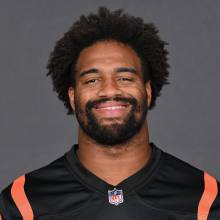 Jonathan Allen66Grade
While he has some name recognition, this isn't the same Allen who made back-to-back Pro Bowls in 2021 and 2022. The 31-year-old is still a decent run defender and can occasionally push the pocket, but his tackling and effectiveness as a pass-rusher have been diminishing over the last few years. Also, Allen's age started to show in the second half of last season.
56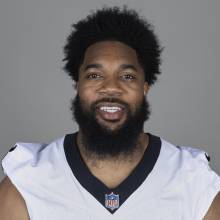 Nathan Shepherd67Grade
There isn't anything special about Shepherd's game, but he's a solid all-around player. Against the run, he has the strength to win at the point of attack or uses a hump move to catch linemen leaning and make tackles near the line of scrimmage. The eight-year veteran also has decent pass-rush chops, pushing the pocket as a bull rusher and working the hands to win around the edge.
55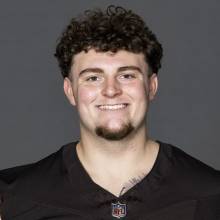 Mason Graham67Grade
While Graham certainly fell short of expectations as a rookie, he played well enough down the stretch to be optimistic about his outlook moving forward. The 2025 No. 5 overall pick made a handful of plays against the run, using both his strength to reset the line of scrimmage and his athleticism to slip blocks. Graham also had a few flashes as a pass-rusher, getting pressure with power and working the hands.
54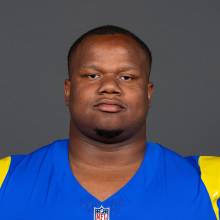 Tyler Davis68Grade
Davis could start for a handful of teams around the league; he just happens to be on the Rams' deep defensive line. Still, the 6'2', 300-pound defensive lineman has carved out a role as a versatile run stuffer, using his natural leverage and compact frame to his advantage and contribute off the bench.
53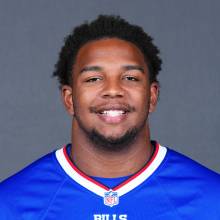 Deone Walker68Grade
Consistency was a concern for Walker coming out of Kentucky, and that remains as one of his biggest issues in the NFL. But the flashes did become more frequent for the former Wildcat as a rookie, especially against the run, allowing him to build some momentum heading into year two. It's just a matter of the 6'7", 331-pound defensive tackle holding his gap more frequently and winning more as a pass-rusher.
52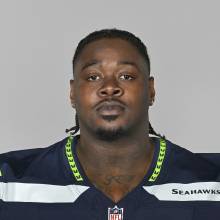 Jarran Reed68Grade
At this point in his career, Reed is more of a rotational player for the Seahawks. He can be a boulder in the running game, as he is hard to move and makes a handful of stops near the line of scrimmage. The 33-year-old does have a decent pass-rush motor, but he doesn't bring much more to the table than that against the passing game.
51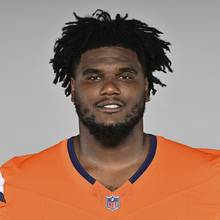 Malcolm Roach68Grade
Roach is a bit of a unique defensive tackle in that he's a role player with just eight career starts, but is a much better run defender than pass-rusher. The six-year veteran is strong at the point of attack to defeat one-on-one blocks and hold his gap against combos, collecting a good amount of stops in both situations. As a pass-rusher, he did notch six sacks in 14 games (including playoffs) last year. However, a lot of those came via clean-ups as Roach isn't a consistent winner when rushing the passer.
50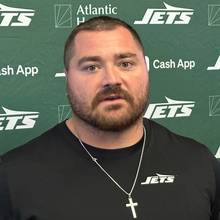 Harrison Phillips68Grade
After a down year in Minnesota during the previous campaign, Phillips bounced back and returned to form as a run defender after getting traded to New York before the 2025 season opener. His block recognition is excellent, putting him in a good position to stay in his gap, and the eight-year veteran has the strength to shed blocks and uses a few moves as change-ups to escape and frequently make tackles near the line of scrimmage. However, Phillips still offers little to nothing as a pass-rusher and is a two-down player.
49 Arik Armstead68Grade
At this point in his career, Armstead is a role player and spot starter. He's a decent interior pass-rusher who has the athleticism to work the edges of an interior offensive lineman, but the 11-year veteran doesn't make much of an impact against the run anymore. Armstead still has a niche, but it's pretty clear he's on the downside of his career.
48 Sebastian Joseph-Day68Grade
Joseph-Day is about to play for his fifth team in as many years, signing with the Steelers in free agency, but he can be a valuable depth piece for Pittsburgh's run defense. The versatile defensive lineman can hold his own and make tackles near the line of scrimmage from several alignments, playing anywhere from a base end to a 2i-technique. Joseph-Day just never has been and still isn't much of a factor as a pass-rusher.
47 Da'Shawn Hand69Grade
With 6.5 career sacks in eight years, Hand is who he is at this point: a good two-down run defender on the interior defensive line. The veteran has managed to carve out a niche in the NFL, defeating all kinds of blocks and proving to be a reliable gap-filler in the trenches. Just don't expect the former fourth-round pick to do more than push the pocket occasionally as a pass-rusher.
46 DJ Reader69Grade
Reader is toward the end of his career and not as dominant and productive as he used to be. A big reason for that is he isn't as good at shedding blocks, but the 10-year veteran knows plenty of tricks of the trade and can still plug up the A-gaps. He's also still solid at pushing the pocket with his size and strength.
45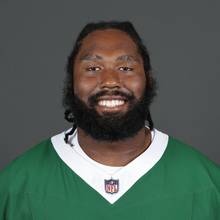 Jowon Briggs69Grade
Look for Briggs to make a name for himself during the 2026 campaign. He got more playing time in the second half of last season, after the Jets traded away Quinnen Williams, and really stood out as a pass-rusher. The 2024 seventh-round pick can push the pocket when bull rushing, has a good push-pull move as a change-up and has shown some flashes of winning with finesse moves. Briggs needs to be more consistent as a run defender moving forward, but he also showed potential with his ability to defeat blocks to have a higher ceiling in the run game.
44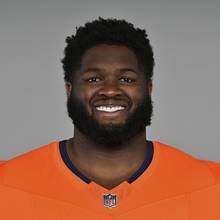 DJ Jones69Grade
Jones is a pretty impressive run defender who can defeat a variety of blocks in a variety of ways. He has the strength to win at the point of attack, can run his feet to avoid getting reached or scooped, and has a few finesse moves he can make offensive linemen whiff with. As a pass-rusher, the nine-year veteran's production is primarily manufactured or via clean-ups. But he can be effective on stunts and line games.
43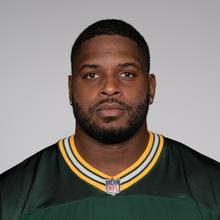 Javon Hargrave69Grade
It wasn't too long ago that Hargrave was widely considered one of the best interior pass-rushers in the NFL. He can still push the pocket and has a nice arm-over move as a counter, but he isn't nearly as impactful as he used to be. The 33-year-old has been battling injuries recently and is at the tail end of his career, but Hargrave can still contribute on third downs.
42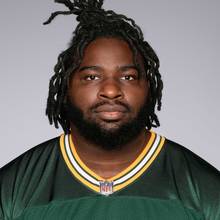 Devonte Wyatt69Grade
While Wyatt has never been much of a run defender, he's put together a pretty good start to his career as an interior pass-rusher. The 2022 first-round pick's combination of power, athleticism and motor constantly put him in the quarterback's lap. However, Wyatt will be coming off a significant injury that cut his 2025 campaign short, so it will be worth keeping tabs on how that impacts his game moving forward.
41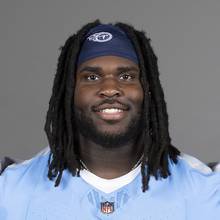 T'Vondre Sweat69Grade
At 360 pounds, Sweat defines what it means to be a boulder against the run. He's hard to move out of his gap, even against double teams and combo blocks, and can shed blocks to make tackles near the line of scrimmage frequently. The 2024 second-round pick does lack some lateral movement skills and overall athleticism, but he plays the nose tackle position well by being a true gap-filler.