 The top experienced left guards in pro football, graded and ranked by the B/R Scouting Department. Rookies to be graded separately.Player photos: AP Images
34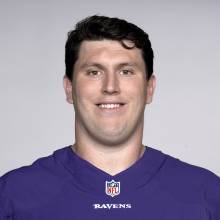 Andrew Vorhees53Grade
Vorhees is a sawed-off, hard-nosed blocker whose best work comes in tight quarters, especially when he can close space early, fit his hands and strain through contact. He can eliminate rushers' runway with jump sets and create quick leverage when he lands first, while showing enough awareness to find work and cover up adjacent rushers when uncovered. The limitations are physical and persistent. Vorhees lacks the athletic ability to consistently redirect, sustain or re-leverage defenders once reps extend, leaving him overextended late and vulnerable when defenders work off his frame. In pass protection, he can survive when he wins early, but isolated reps expose his lack of range, recovery skill and margin for error. His toughness, short-area leverage and awareness give him some interior depth value, but the current profile is closer to a backup guard than a dependable starter.
33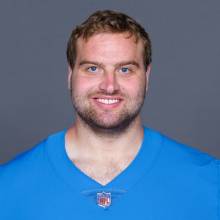 Trevor Penning54Grade
Penning converted from tackle to guard in 2025, starting six games for the New Orleans Saints before being traded to the Chargers and starting four more to close out the season. A 2022 first-round pick, Penning still has not found consistent footing with his footwork, timing or hand usage, and the move inside did not eliminate those issues. He remains a rare finisher when his landmarks and leverage align, with the raw power and demeanor to impose his will, bury defenders and create highlight-level movement in the run game. The problem is that those flashes are surrounded by too much volatility. His pass protection remains subpar because unreliable technique too often diminishes his size and power, leaving him late to contact, off balance or unable to consistently control rushers. Penning can provide emergency value because of his experience at tackle and guard, but his current profile is closer to a backup/swing option with rare finishing flashes than a dependable starter.
32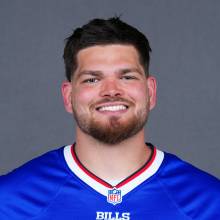 Alec Anderson58Grade
Anderson has six official starts during his first two seasons, though three came as a sixth offensive lineman, with additional work at left guard, right tackle and center. He enters 2026 slated to compete with Austin Corbett for Buffalo's left guard job. Anderson is a scrappy blocker with excellent competitive toughness, good grip strength and a knack for finding ways to finish in the run game through latch strength, leg drive and strain. His active hands help him create leverage and stay attached, but the projection is clouded by limited exposure, especially in pass protection, where he has only a few dozen meaningful true dropback reps at guard. Anderson has enough size, toughness and hand strength to contribute. Until he gets extended snaps, his best usage remains as a versatile interior backup with low-end starter upside.
31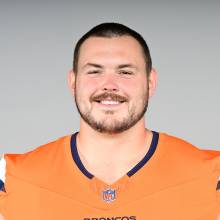 Alex Palczewski58Grade
Palczewski has taken a notable path from 64-game starter at Illinois to undrafted free agent to useful Broncos reserve, filling in at multiple spots over the last two seasons, including 10 starts at left guard in 2025. Palczewski is densely built with efficient footwork and good hand usage, doing a nice job staying inside-out and centered through contact to latch, steer and play firm. His lower-half stiffness and robotic style cap his recovery range, leaving him late to redirect when defenders access his edges or bypass his initial punch. He is not overly dynamic or powerful, but the technique, toughness and positional flexibility give him functional depth value. His 2025 tape had shades of a poor man's David Edwards, in that he wins similarly with density, efficient feet, hand usage and centered contact, making him a useful developmental reserve.