30 Evan Brown60Grade
Brown started 11 games at left guard for the Arizona Cardinals, while working through lower-body injuries and taking a personal absence. Brown has now started at least 11 games in each of the last five seasons across left guard, center and right guard. He is a squatty blocker with good natural leverage, quickness and enough play-strength to work inside defenders and create initial displacement in the zone run game, while also offering value as a puller in gap concepts. His lack of mass and mediocre length create soft, accessible edges when isolated in pass protection, but his clear eyes and burst allow him to provide timely, firm help when uncovered. Brown's run-game utility, versatility and experience make him a valuable sixth lineman.
29 Ezra Cleveland61Grade
Cleveland played his best football since arriving in Jacksonville, including 16 starts in 2025. Even so, his profile remains volatile. Cleveland has become more controlled than he was earlier in his career—taking fewer chances and staying centered more often—yet his upright posture, erratic balance and shaky body control still create problems. Shifty defenders can evade his initial punch, leaving him flat-footed, late with his hands or overextended in recovery. He does have useful power when uncovered, where he can cave adjacent rushers and hold up in tight quarters, but the down-to-down consistency remains uneven. Cleveland's improved control gives him functional starter value, but the boom-or-bust element keeps him firmly in the below-average starter tier.
28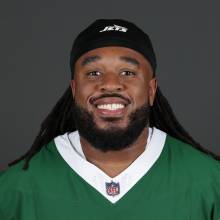 Dylan Parham61Grade
Parham has been a durable, position-flexible interior lineman through his first four seasons, missing only five games while splitting most of his work between both guard spots. He is a narrow-framed blocker with natural leverage and enough pop through his hands and hips to create movement when he lands cleanly. That force also shows up when he is uncovered in pass protection, where he can help reset space and clear the pocket with timely contact. However, his profile keeps him inconsistent once reps extend. Parham does not consistently sustain or steer through contact, and his softer edges in pass protection leave him vulnerable when isolated against rushers who can cross his face, stress his anchor or force him into late recovery. His movement skills and play-strength are functional, but neither trait is strong enough to consistently erase those issues. Parham's durability, guard flexibility and flashes of leverage-based power give him roster value, but his current profile fits better as a quality interior backup or short-term starter than a dependable every-down solution.
27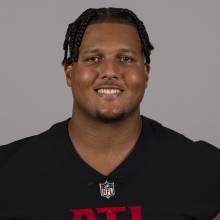 Matthew Bergeron61Grade
Bergeron started 15 games in 2025 while dealing with a midseason ankle injury. His third-year profile remained fairly stagnant, too. Bergeron is a densely built, wide-bodied blocker with solid length, good upper-body strength and heavy hands that create jolt when his timing and placement sync. However, his upright posture, choppy redirect skills and erratic hands routinely sap his leverage, soften his inside shoulder and leave him late to recover. In the run game, he remains an imposing straight-line presence with power on his track, but his body control and sustain are inconsistent against movement. Bergeron still flashes starter traits. Even so, the technical stagnation leaves him as a below-average starter whose best projection remains inside a run-first, play-action-heavy structure that lets him play downhill.
26 Dillon Radunz62Grade
Radunz stabilized over the last two seasons after struggling to find a technical baseline earlier in his career. He started 10 games for New Orleans in 2025, missing six with a toe injury, but played solid football when available and earned a new two-year deal as the Saints' primary interior backup. Radunz is a lean and long guard with good movement skills and a high-low hand carriage/strike package that helps him frame rushers, create lift and make his anchor passable rather than a liability. However, he can still chase setup moves, drift and fall into recovery mode too often when isolated. In the run game, Radunz is fluid climbing and quick enough to get into initial fits on time, but his lack of mass and below-average play-strength cap his ability to finish. He profiles as a useful spot starter/interior reserve.
25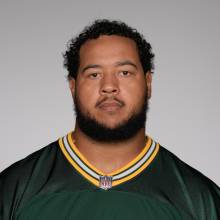 Aaron Banks62Grade
Banks remained a functional interior option in 2025. He brings size, heavy hands and a physical demeanor to Green Bay's left guard spot. He's at his best when he can use his frame to cover up defenders, wall off angles and look for work when uncovered, where he will uncork on adjacent rushers to help keep the pocket clean. In the run game, Banks has enough initial quickness and power to get to his spots on time, fit into defenders and generate functional movement, especially on zone concepts and second-level wall-offs. An upright playing style and mediocre recovery skills leave him vulnerable once reps extend. He can get out-leveraged, slipped cleanly or lose balance when defenders force him to redirect or sustain late through contact. In pass protection, Banks can survive with size and awareness, but he does not consistently anchor, mirror or recover well enough to be viewed as a stable every-week answer. His frame, toughness and uncovered value give him functional starter ability, but the body-control and sustain limitations keep him closer to the low-end tier.
24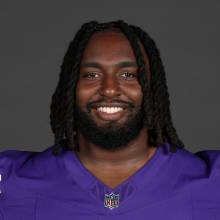 Donovan Jackson62Grade
Jackson started 14 games as a rookie while battling through a wrist injury that eventually required surgery. Jackson wins with a wide-bodied, dense build, good play-strength and firm hands, giving him a sturdy presence in the run and pass game when defenders work down the middle of his frame. His anchor is stout when he can center up rushers, but his robotic play-style and lateral stiffness create issues when his feet get stuck or he is forced to redirect against rushers who can string together moves. He was also a tick late sorting out loopers. In the run game, Jackson can surge off the ball, cover up and wall off down linemen. However, he is stiffer at the second level against movement across his face. Minnesota's run-heavy shift over the second half of the 2025 season helped limit his protection exposure and accentuate his strengths, inviting variance in a more balanced offensive structure.
23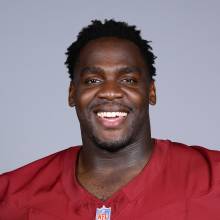 Chris Paul63Grade
Paul emerged during his fourth NFL season and first as a full-time starter, taking over Washington's left guard job in Week 3 and providing a sturdier interior presence. Paul is a square, heavy-handed blocker with good length and enough play-strength to jolt defenders, create movement and anchor when he lands first meaningful contact. His physicality gives him real value in pass protection and flashes of displacement in the run game, but the profile remains uneven. Paul is high-cut with below-average redirect skills, creating a boom-or-bust element when he's isolated, forced to mirror or asked to regain position after his hands miss the target. His processing is also still developing against simulated pressures, late loopers and exotic pressure looks, where delayed recognition can leave him chasing rather than bracing. Paul's 2025 tape showed enough strength and functional starter traits to make him an intriguing ascending guard, but the movement limitations and inconsistent recovery skills keep him closer to the low-end starter tier than a fully stable interior answer.
22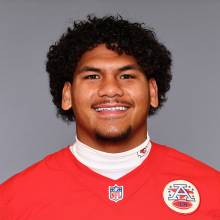 Kingsley Suamataia63Grade
Suamataia started every game in 2025 during his first full season as a guard, flashing above-average physical traits while still working through persistent technical issues. Suamataia brings very good size, square power and movement skills, giving him the ability to root down, uncork and command the point of attack in both phases when his timing is right. Consistency remains a problem. In pass protection, he still drops his outside foot and opens the door early against the threat of speed, while erratic hands that land late or down the middle lead to shaky positional leverage and inconsistent anchoring against moderately skilled rushers. In the run game, he can play high on backside cutoffs, creating quick stalemates or getting flattened out. Suamataia turned 23 in January, while still learning the guard position, leaving real upside if his technique eventually catches up to his physical tools.
21 Ben Bredeson64Grade
Bredeson entered the 2025 campaign after the best season of his career but injuries interrupted his follow-up performance. He started 11 games before a Week 10 shoulder injury cost him time and a Week 14 knee issue ended his season. Bredeson is a tall, angular guard with solid athletic ability, competitive toughness and efficient hands/feet that help compensate for underwhelming mass and length. He can play with leverage when centered, win most initial hand battles and rarely lose cleanly in protection. His build and average anchor do shrink his margin for error when manipulated out of position, leaving him vulnerable to compression, picks and being knocked off levels against penetrators. In the run game, Bredeson is efficient and assignment-sound more than forceful, fitting best as a functional starter benefiting from surrounding talent and continuity.