15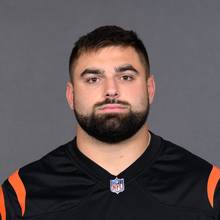 Dylan Fairchild70Grade
Fairchild started 15 games as a rookie and steadily settled in, while flashing high-end power, athletic ability and recovery skill as the season progressed. His tape was expectedly unrefined, with uneven footwork in pass protection that left him flat-footed or out of position against counters from multiple alignments. But a rare trait emerged with how efficiently he could absorb and deliver force, then regain leverage from compromised positions. In the run game, Fairchild's play-strength and movement skills gave him clear impact flashes, even while his hands and aiming points still needed refinement. His down-to-down polish must catch up, but the upward trajectory and physical tools give him one of the higher ceilings among the league's young guards.
14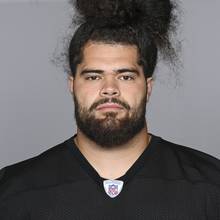 Isaac Seumalo71Grade
Seumalo remained his usual steady self in 2025, providing veteran reliability through play speed, balance and a refined understanding of space. He is not an overwhelming guard in terms of size, length, raw power or explosiveness, but he consistently operates on time and in the proper position. Seumalo wins with quick diagnosis, efficient footwork and well-timed hands, allowing him to sort line games, pass off movement and use positional leverage to stay between rushers and the quarterback. His anchor is more survival-based than forceful against bigger power players, but he dies slowly, keeps his frame square and rarely turns manageable losses into immediate failures. In the run game, he is a sound positional blocker who can fit, steer and work combinations with timing, even if he no longer creates much displacement on his own. Entering his first season in Arizona, Seumalo should bring reliable starter-level play and legitimate stabilizing value to a young offensive line, with his intelligence and consistency carrying more weight than the raw traits profile.
13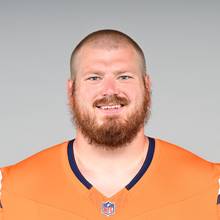 Ben Powers71Grade
Powers missed nine games in 2025 after suffering a torn biceps in Week 5. When available he played near his established baseline as a skilled, steady starting guard. Powers wins with very good hand usage, timing and strain, creating quick leverage before staying attached and steering defenders away from the ball. His hands and discipline also keep him from losing cleanly often in pass protection. The limitations are more physical than mental or technical. Powers is not an explosive mover, and his good-not-great play-strength can lead to getting jolted back at the point of attack before re-leveraging to recover balance. He will also strike with two hands against tighter alignments, opening him up to quick losses across his face. Powers remains a reliable, craft-driven starter when healthy, though the injury and average physical tools cap the ceiling.
12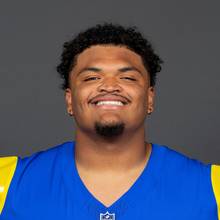 Steve Avila71Grade
Avila started 13 games in 2025 after missing two early-season games with an ankle sprain, following a 2024 season that was also interrupted by an MCL injury. When available, Avila remained a powerful, physically imposing left guard with the size and play-strength to generate movement in the run game and anchor against power in pass protection. At 6'4" and 340 pounds, he can cover up defenders, displace at the point of attack and create force through contact when his pads and hands arrive on time. His pass protection is more strength-based than refined, relying on mass, anchor and body positioning to absorb rushers rather than high-end hand usage or recovery skill. The limitations show up when quicker defenders force him to redirect, mirror late movement or win the hand fight before he can establish control. Avila's movement skills are adequate for his size, but not a consistent plus, which caps his range and second-effort recovery. His best football still gives the Rams a sturdy, physical interior presence, but the injuries and middling agility keep him in the solid-starter tier rather than the high-end guard group.
11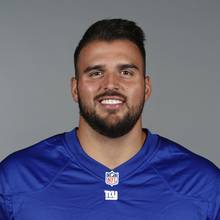 Jon Runyan Jr.73Grade
Runyan pieced together arguably the best season of his career in 2025, starting 16 games and playing like a solid, craft-driven veteran. Runyan wins with good play-speed, excellent hands and leverage skills that help offset mediocre mass and sand. His anchor can still crack against sudden spikes, picks and stutter-bulls that catch him flat-footed, but his hand usage, light feet and recovery ability allow him to stay in phase and die slowly when initially stressed. In the run game, Runyan works underneath and inside of targets to create quick leverage, steer on the first level and take precise angles on climbs to intersect linebackers. The six-year veteran is not an imposing finisher, but his timing, technique and recovery skills make him a dependable net positive.
10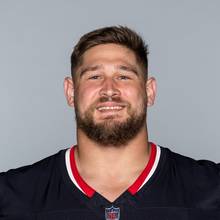 Wyatt Teller73Grade
Teller enters 2026 as a solid starting guard whose recent dip was real but somewhat overstated by a difficult offensive environment. Cleveland's heavier pass volume, unstable quarterback play and predictable structure over the last two seasons put more true dropback stress on Teller than earlier in his career, while knee and calf issues slightly reduced his recovery quickness. Teller remains a physically imposing interior presence, with the strength and movement ability to create displacement in the run game, particularly on pulls, angle-drive blocks and double-teams. In pass protection, his play tends to be more volatile. His hand placement can be late or erratic, which creates quick access when rushers beat him to first meaningful contact. However, his length, anchor and play-strength still allow him to match up with most interior defenders when he stays square. Teller is no longer the automatic top-tier guard he was at his peak. Even so, his power profile, functional movement and prior high-end play leave room for a rebound if the Texans' staff places him in a more balanced structure.