 The top experienced quarterbacks in pro football, graded and ranked by the B/R Scouting Department. Rookies to be graded separately.Player photos: AP Images
55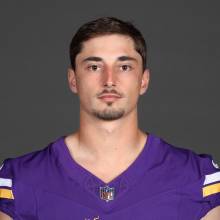 Max Brosmer51Grade
Max Brosmer started two games and appeared in six for the Minnesota Vikings. He threw for 328 yards, zero touchdowns, and four interceptions. Brosmer was accurate and made quick decisions, throwing to his first read. If he sees it quickly, the ball will be coming out on time. That said, Brosmer lacks the NFL arm strength and velocity to drive the ball. He's not a mobile quarterback either, so if pressure gets home, he is a sitting duck. He's a fine QB3 and emergency quarterback.
54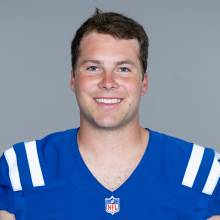 Riley Leonard51Grade
Riley Leonard was named the starter in week 18 against the Texans. Leonard played solidly and probably better than expected against that tough, talented, and well-coached defense. Leonard completed 21 of his 34 targets for 270 yards, two touchdowns, and one interception. Like Daniel Jones, he hits the first read routinely. Both are above-average athletes who can scramble and extend plays. Leonard could be an intriguing back to watch develop under the tutelage of HC Shane Steichen, if he sustains his job in Indianapolis. He's physically limited but plays the game similarly to their established starter.
53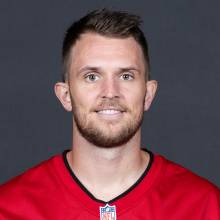 Jake Browning53Grade
Jake Browning was thrust into the starting lineup in relief of an injured Joe Burrow. The offenses struggled and sputtered under his helm. Browning was 1-3 as a starter and threw more interceptions (8) than touchdowns (6). Browning is a gamer who will keep swinging until the fight is over. He led the Bengals to a comeback victory with a game-winning drive in week two against the Jacksonville Jaguars. He struggled when forced off his spot and made to make plays on the move. Browning was not effective as a starter, and we saw better play from Joe Flacco after the trade. He's a serviceable back, but no more.
52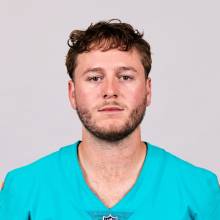 Quinn Ewers55Grade
Quinn Ewers stepped in and started three games for the Miami Dolphins in his rookie season. He flashed effectiveness and efficiency in the short passing game to make quick decisions when throwing to initial reads. His play declined the further downfield he targeted. Ewers showed that managing the game is in his skill set, but decision-making needs work. He threw passes into highly-trafficked areas and made them available for turnovers. Ewers will need more reps to prove that he is anything more than a backup quarterback.
51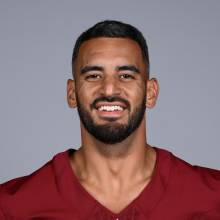 Marcus Mariota57Grade
Marcus Mariota served as the primary backup to Jayden Daniels and stepped in when he went down to injury. Mariota is still capable of using his legs to create out of structure and to carry the ball. He was 2-6 as a starter for the Commanders last season. Mariota struggled with decision-making and protecting the football. As a veteran, his processing should've been sharper; he stared down his initial reads and brought defenders into the window for interceptions. He threw 10 touchdowns to seven interceptions in 10 games. He's a functional backup but a replacement-level starter.
50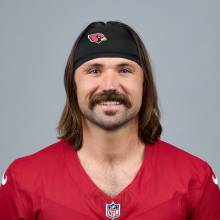 Gardner Minshew II57Grade
Gardner Minshew is an established backup quarterback with starting experience and leadership qualities to keep a spot on the roster. He is a gamer who has thrived on overcoming limitations and disbelief. Minshew has played a lot of football, making him a good mentor to a younger quarterback. He will serve as QB3 on the roster, with the understanding that he isn't a franchise or long-term starter. Teams that require a serviceable third quarterback, look no further than Minshew.
49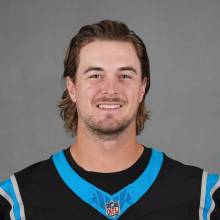 Kenny Pickett58Grade
Kenny Pickett went from a first-round pick to being a backup. He has struggled to make a lasting impact in the NFL. When the 2026 season kicks off, he will be on his fifth team in five seasons. Pickett has solid accuracy, an average arm, and decent athleticism to break contain if he feels the rush closing in. He showed anticipatory throws last season. Pickett tends to stare down his initial read too often, resulting in tighter-window throws. He's an adequate NFL quarterback but not a starter long-term.
48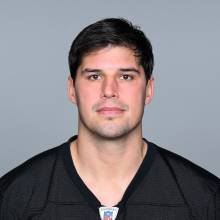 Mason Rudolph58Grade
Mason Rudolph is an established backup/bridge quarterback who can functionally run most NFL offenses. He has proven his ability to step up and provide positive play for the team. Rudolph performs well against blitz and pressure (as shown pre-snap) by processing quickly and getting the ball out quickly. His worst decisions come on plays where he has to hold the football and make plays past the initial reads. He's a veteran quarterback who can be QB2 and QB3 depending on the situation.
47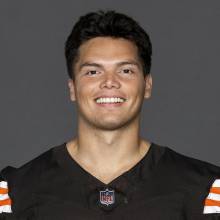 Dillon Gabriel59Grade
Dillon Gabriel is an undersized and physically limited quarterback. His game is built on timing and accuracy. He struggled to connect on deep passes last season and was eventually benched for Shedeur Sanders. Gabriel is a quarterback who needs a robust roster to help elevate his game. With underwhelming arm talent and size, Gabriel doesn't project to be a long-term starter in the NFL.
46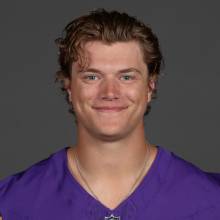 JJ McCarthy59Grade
The Vikings' former first-round pick had a rocky 2025. J.J. McCarthy played 10 games last season in his first real NFL starting experience. He threw for more interceptions (12) than touchdowns (11). McCarthy had moments during the season where his arm talent was on display, and he made the right decisions at the line of scrimmage. He is inexperienced as a true dropback passer and requires more reps to further his development.
45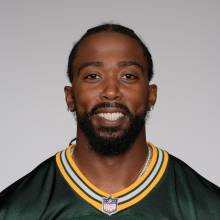 Tyrod Taylor59Grade
At 36 years old, Tyrod Taylor is still a capable backup and emergency starting quarterback. He still can use his legs to avoid the pass rush and get out on the move for yards as a runner. He throws a catchable football with good touch. His arm doesn't have the same zip or velocity behind his passes. He excels at hitting the first read as it is dialed up by the OC. Completing deep passes was an issue last season; he completed 11.8% of those passes with one touchdown and three interceptions. Taylor is capable of running the offense, but there isn't any substantial upside with him at the helm.