 The top experienced right guards in pro football, graded and ranked by the B/R Scouting Department. Rookies to be graded separately.Player photos: AP Images
34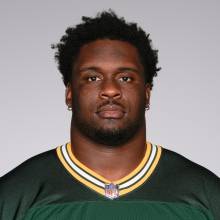 Anthony Belton52Grade
Belton completed his rookie season with seven starts, six at right guard and one at right tackle. The first-year blocker also worked through an ankle injury that cost him Weeks 4-7 and Weeks 9-11 after a reaggravation. Belton opened the year as Green Bay's primary backup right tackle before kicking inside to cover injuries, where his massive, densely built frame and considerable raw power stood out. He is a blunt-force blocker with heavy hands, pocket-clearing power when uncovered and knockout force against standstill targets. Issues present themselves regarding everything attached to control. His lumbering feet, lower-half tightness, erratic footwork and overreliance on pure power make it difficult for him to adjust to post-snap movement, line up targets and sustain. Green Bay's run-first, play-action-oriented system gives him a pathway to functional development, but the profile still carries a boom-or-bust quality regardless of environment.
33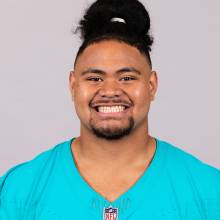 Jonah Savaiinaea52Grade
Savaiinaea started all 17 games and did not miss a snap as a rookie, but his durability was the clearest positive during an uneven transition to left guard. The move inside and jump in competition exposed an underdeveloped pass-protection baseline, with persistent oversets, late hands and poor positional leverage. His mass and raw power flashed in the run game, especially on doubles and down-blocks where he could surge and displace defenders in the post. Consistency remained problematic. The first-year blocker often leaned into contact without closing space with his feet, causing overextension late in reps and an unreliable hit rate on climbs. A 2026 move to right guard at least returns him to his collegiate side, creating some optimism. However, his hand usage, leverage and footwork need major growth.
32 Teven Jenkins52Grade
Jenkins started four games in 2025 but frequently entered via spot duty and as a sixth offensive lineman. Jenkins is a thickly built guard with solid length and play-strength, and prior years showed flashes of immense finishing power. A serviceable size/power profile worth carrying as depth still exists, but accumulated wear has diminished his movement skills and overall control. His upright playing style and clunky footwork sap his sustain, creating soft edges and quicker disengagements in the run game. Those issues also bleed into pass protection, where erratic hands expose his frame, delay his anchor and leave him vulnerable when forced to redirect. Jenkins still has enough size, physicality, versatility and power flashes to warrant a backup role, but the body control and movement decline keep him below dependable starter level.
31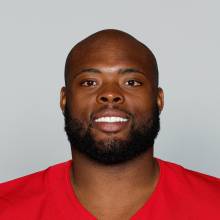 Robert Jones55Grade
Jones missed all of the 2025 campaign after suffering a broken bone in his neck. He then signed a one-year deal with the 49ers this offseason. His projection is largely tied to his 2024 tape with the Miami Dolphins, where he started 17 games and showed the strength, power and physicality that provided projectable upside. Jones is a thick, heavy-handed guard with a firm anchor and real people-moving ability when he catches defenders on angle-drive blocks or works downhill. He can also provide pocket-clearing force when uncovered. Movement and control are limiting factors. False steps and adequate athletic ability leave him late on backside zone tracks, while his aggressive pass-protection approach shrinks the margin for error with leverage and strike-timing. If healthy, Jones gives the 49ers useful depth, strength and physicality, but his best fit remains as a backup guard who can spot start in a downhill, quick-game/play-action structure.
30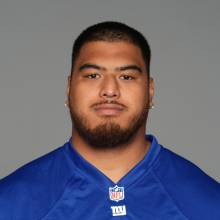 Daniel Faalele56Grade
Faalele is a massive, space-eating guard who has not missed a snap over the last two seasons, giving him real dependability despite a capped profile. The 6'8", 380-pound blocker understands how to maximize his size in pass protection with short, inside-out sets that force rushers down the middle of his frame or make them take the long path. This approach can function inside a rhythmic, quick-hitting passing game, but it also creates soft, accessible edges when rushers can stress his foot-speed, force late movement or make him recover after initial contact. In the run game, Faalele walls off targets on angle-drive blocks and covers up slower-processing linebackers at the second level, but he struggles to redirect and intersect movement across his face or sustain when defenders make him adjust in space. His size, durability and ability to keep simple reps orderly give him value, but the movement limitations place a hard cap on his ceiling.
29 Andrew Wylie56Grade
Wylie filled in for five starts at right guard during the 2025 campaign, adding to a career with 100-plus starts, valuable postseason experience and proven versatility. Wylie is a quality swing backup and spot starter at multiple positions, with his best current fit likely inside at guard. He plays with an alert, crafty approach, adequate play-strength and enough functional athletic ability to keep the offense on schedule for short stretches. His processing helps him stay in proper positional leverage relative to the intent of the play, and he generally understands how to minimize exposure. Limitations show up when he is forced into space or isolated against quicker, wider-aligned rushers who can evade his initial strike, causing him to step under himself and struggle to recover from compromised positions. He remains a useful, experienced reserve rather than a full-time answer.
28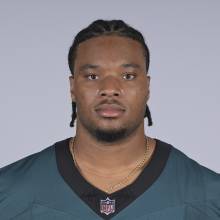 Tyler Steen58Grade
Steen started all 17 games during his third career season and first as a full-time starter, providing serviceable run-game play but remaining a liability in pass protection. Philadelphia's offense took a step back around him. Healthier versions of Lane Johnson and Cam Jurgens, plus a more play-action-heavy structure, could give Steen a better runway this fall. Still, Steen's individual limitations were obvious. In the run game, he has enough initial burst, density and pop to cover up defenders and feed down linemen on double-teams, but his sustain and body control fade when defenders move across his face. Those same issues carry into protection, where unrefined footwork causes him to drift past his spot against wider alignments, opening a soft inside shoulder and delaying his transition into the anchor. Late strike-timing, slow recognition skills and modest length also give rushers easier access to his edges and adjacent gaps when he has to sort through stunts, games and blitzes. Steen's first full year as a starter leaves plenty of room for growth, especially in a friendlier offensive structure, but his 2025 tape displayed a below-average starting guard.