21 Robert Hunt65Grade
Hunt played just two regular-season games in 2025 due to a torn biceps before returning for Carolina's Wild Card matchup against the Los Angeles Rams. When available, his profile remained consistent with the '24 season and much of his career as a rugged, power-based guard with a broad frame, thick build and heavy hands. Hunt is at his best against tightly aligned defensive tackles, where he can establish first meaningful contact, absorb force and provide pocket-clearing power. That same linear power translates to the run game, where Hunt can cover up, lift and displace down linemen on double-teams or eject second-level defenders who play him head up. His downhill, aggressive style also creates volatility. Erratic strike-timing, high pads and loose hand-placement can sap his anchor and lead to quick losses across his face. Hunt remains a useful, physical starter, but durability and pass-protection consistency limit his value.
20 Jackson Powers-Johnson66Grade
Powers-Johnson settled at right guard to open the 2025 campaign after splitting time between center and left guard as a rookie. His second year was cut short by an ankle injury after seven starts. His tape remained a mix of promising physical flashes and raw technical execution. Powers-Johnson has a sawed-off, stout build with enough play-strength to firm up the point of attack, along with fluid movement skills to redirect and work himself out of some compromised positions. He is also a force when uncovered in pass protection, where his power and demeanor allow him to clear the pocket and punish adjacent rushers. The volatility shows up when isolated against quality interior rushers. His unpolished footwork and hand usage can create quick losses across his face, and his aggressive temperament still leads him into bad positions when he overshoots his landmarks or chases contact without control. In the run game, his strength, movement and finishing demeanor create flashes of a tone-setting guard, but the down-to-down precision still needs to improve. The 23-year-old's physical traits and age leave him with a clear runway to become a solid starter, especially inside a Klint Kubiak system. At this point in time, his current profile remains more projection-based than stable.
19 Dalton Risner66Grade
Risner provided a stabilizing presence for Cincinnati during the 2025 campaign, starting 11 games after an injury-interrupted '24 season with the Minnesota Vikings. Risner is a veteran guard whose value is rooted in awareness, toughness and pass-protection reliability. He plays with good eyes and processing speed, rarely gets fooled by line games or post-snap movement and uses efficient technique to stay connected and keep rushers from quickly accessing his frame. His anchor is functional when he is square, but he is not a naturally powerful blocker and can be stressed when rushers force him to redirect or recover late. In the run game, Risner is more positional than forceful, with enough feel to fit, wall off and stay on schedule. His stiffness and average movement skills cap his effectiveness. Conversely, his steadiness, competitive toughness and ability to keep reps orderly make him a useful short-term starter or high-end interior reserve.
18 Kevin Zeitler66Grade
Zeitler reached 220 career starts (including postseason) during the 2025 campaign, starting 16 games at age 36 and continuing one of the most durable, steady guard careers of his era. Zeitler is no longer the top-10 right guard he was throughout most of the last decade, but his dense build, good play-strength, processing and veteran savvy still allow him to stay functional. He rarely puts himself in poor positions, understands where help is coming from and plays with enough leverage and hand timing to remain firm in tight quarters. Decline shows up in his lack of wiggle and recovery range when forced out of phase, especially against movement, counters or space-oriented run-game demands. Zeitler still brings toughness, reliability and enough anchor to stabilize a line. At this stage of his career, he fits best as a functional starter or high-end veteran stopgap.
17 Matt Goncalves67Grade
Goncalves kicked inside to guard in 2025 and started 16 games after logging eight starts as a rookie offensive tackle. The move helped unlock his best trait: run-blocking. Goncalves generated consistent vertical push on doubles and angle-drive blocks while arriving square and under control on climbs, making him a plus contributor inside one of the league's best run games. In pass protection, his inexperience became evident. Simulated pressures created some mental errors. The 2024 third-round draft pick can be baited out of position by counters, delaying his transition into the anchor. Goncalves has a stiff, firm punch to jar rushers when his timing is right. Ultimately, he was most comfortable off play-action when he could close space and establish first meaningful contact. His run-game value is real, but the pass-protection processing and hand-timing keep him in the functional-starter range.
16 Will Fries68Grade
Fries returned from a devastating 2024 leg injury to start all 17 games during his first season in Minnesota, reclaiming much of the baseline performance that made him one of the league's more underrated guards. Fries is a tall, physical guard who wins with competitive toughness, good play-strength and a finisher's mentality, especially when he can fit square, strain through contact and impose himself on angle-drive blocks. His hands, leverage and anchor are still good enough to survive in protection, but the 2025 tape was not quite as clean as his pre-injury peak. He was less reliable at intersecting, sustaining and finishing second-level targets, and his hand usage in pass protection was less refined, exposing his frame and leading to more compression than his best Indianapolis Colts tape. Fries still brings starting-caliber toughness and tone-setting value, but his post-injury profile settled closer to a functional starter than the ascending guard he appeared to be in 2023.
15 Tate Ratledge68Grade
Ratledge started all 17 games as a rookie and showed steady growth as the season progressed, particularly with his processing against movement, line games and simulated pressures. As his recognition improved, he was quicker to shore up penetration, pass off threats and get into his anchor, thus allowing his play-strength to show up more consistently. Ratledge has enough power to create movement on doubles, strain in the post and climb with good timing to wall off linebackers once latched. His tall, sawed-off build and tardy strike-timing still create issues, exposing his chest and leading to some glaring lapses in leverage and control when defenders beat him to first meaningful contact. Detroit's play-action-heavy structure and Jared Goff's quick release also helped minimize the number of high-leverage, true dropback reps the rookie had to survive. Ratledge's first season showed starter-level traits and encouraging growth, but his hand-timing and leverage consistency still need to sharpen before he becomes a dependable every-week guard.
14 Mike Onwenu68Grade
Onwenu remains a hulking, power-oriented guard whose best value comes when he is allowed to play inside and lean into his mass. At 6'3" and 350 pounds, he can cover up and displace defenders in downhill run concepts, while bringing a firm anchor to halt the bull-rush in pass protection. His size and play-strength are legitimate carrying traits, and his proven guard/tackle versatility gives New England useful lineup flexibility. The limitations are tied to movement and range. Onwenu's mediocre recovery skills show up when isolated against wide rush alignments, late movement and quickness across his face. He is not a guard who consistently wins by redirecting or adjusting in space. His hands are functional but not especially refined, which narrows his margin of error when defenders force him off his initial track. Onwenu is best viewed as a functional starting guard with real power and anchor value, but his movement limitations keep him closer to the capped-starter tier than the high-end group.
13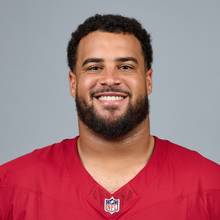 Isaiah Adams69Grade
Adams worked through thumb and back injuries to start 11 games last season inside the league's most pass-heavy offense by attempts, giving him difficult exposure for a young guard. Despite the environment, Adams became one of the more pleasant surprises when watching his film. He is a burly, wide-bodied guard with very good play-strength, heavy hands and above-average contact balance, allowing him to hold up as a surprisingly effective one-on-one blocker in protection. When centered, he can absorb force, stay attached and create enough movement in the run game to look like more than just a placeholder. Arizona's additions of Isaac Seumalo and second-round pick Chase Bisontis suggest the team still has questions about Adams' long-term reliability. But his most recent tape showed starter-quality traits. If Adams stays healthy and maintains that level of play, he has a realistic path to solid-starter value.
12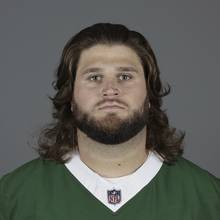 Joe Tippmann69Grade
Tippmann kicked back out to guard after Alijah Vera-Tucker's season-ending injury and started all 17 games, improving over the second half of the season while the Jets shifted toward a run-heavier identity. Tippmann is a loose, fluid mover with solid play-strength. Cleaner footwork helped reduce under/oversets and kept him centered in pass protection. He still needs to pass off penetrators faster and diversify his hand usage when isolated, especially against rushers who stem inside to draw his hands down the middle before working back outside to access his edge. In the run game, Tippmann was effective in the post on Deuce and B-blocks with Armand Membou, while adding value as a puller and climber. His average size and power cap his effectiveness on base and angle-drive blocks, but the late-season growth and above-average movement profile point toward further untapped upside.