 The top experienced tight ends in pro football, graded and ranked by the B/R Scouting Department. Rookies to be graded separately.Player photos: AP Images
74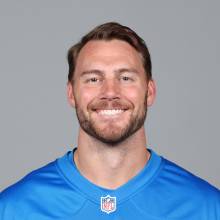 Brock Wright53Grade
The Lions clearly like having Brock Wright around, and they want to use him in a bunch of different ways for their offense, but he's mostly a tweener and injured his neck last season. He doesn't sustain blocks, he struggles to seal backside ends, and he overruns his assignments too often. He's better from an H-back alignment or on split zone runs. Wright doesn't offer much as a receiving option beyond being a check-down receiver. He looks uncomfortable running routes and catching the football, with a good grab here and there. His technique needs to improve to have any value as a blocker going forward.
73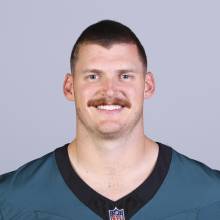 Grant Calcaterra55Grade
For a tight end who spends, roughly, 70% of his snaps on the field blocking, Grant Calcaterra isn't a functional blocker. He struggles at the point of attack, whiffs on blocks, and has never developed into an in-line option at tight end. His body type and movement lend themselves to more of a receiving tight end with decent ball skills and ability to stretch the field, and he showcased that while Dallas Goedert was injured in 2024, but hasn't earned much of a role. The Eagles not only drafted a tight end, but also brought in many different options in the offseason. Calcaterra's role going forward is in jeopardy.
72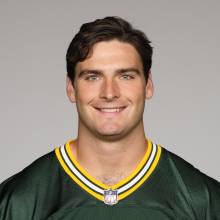 John FitzPatrick57Grade
The injury to Tucker Kraft put added pressure on the Packers' tight end room, particularly in the blocking department. They didn't trust Luke Musgrave to be that guy, so they turned to John FitzPatrick to take on more duties. His functionality as an in-line presence gave them more stability in the run game, and while Fitzpatrick wasn't a bulldozer, he executed blocks with timing, knew how to create a lane, and could sustain blocks to an extent. He's smart enough to find holes over the middle of the field and be a checkdown option, but it's blocking first with Fitzpatrick.
71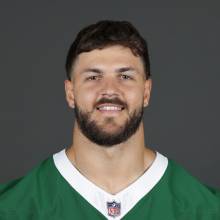 Jeremy Ruckert58Grade
Even though he's a better blocker on the move, Jeremy Ruckert saw 70% of his snaps come from an in-line alignment after the drafting of Mason Taylor. He has good initial technique, but bench presses his blocks too often and loses leverage. Ruckert does a nice job of blocking down and getting to the second level, and can get out in space to lead block. He's a reliable receiving option on underneath routes and catches the ball well, but isn't going to make guys miss or give you much after the catch. Ruckert keeps falling down the pecking order in the tight end room.
70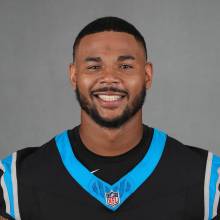 Ja'Tavion Sanders58Grade
While he battled through injuries last season, the results on the field for Ja'Tavion Sanders were underwhelming at best. He was a yards-after-catch player in college and during his rookie season, but he became more of a possession tight end and saw his yards after catch per reception drop from 5.7 to 2.9. He watched Mitchell Evans become more valuable to the offense, and his role in the offense shrank until he missed the final three games of the season due to injury. The road back to relevance is a long one for Sanders.
69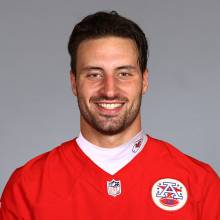 Noah Gray59Grade
Coming off his best season as a pro in 2024, Noah Gray fell flat last season in a campaign that didn't cooperate with anyone in Kansas City. He's their version of a "Y" tight end, where half of his snaps are spent blocking, but he's better on split action blocks and in space. Being an in-line performer isn't high on the Chiefs' priority list at tight end, but Gray has a few reps a game where he's functional. He's a reliable receiver over the middle of the field, but he struggles to make much of anything happen after the catch or separate against man coverage. The path forward is clear with Kelce retiring after 2026, but Gray isn't the one who will take that torch.